
Cleaner indoor air starts with reducing pollutant sources, bringing in outdoor air when conditions allow, and using filtration that fits your home and HVAC system. These seven steps can help you decide what to maintain and when to ask for an inspection. No single air cleaner removes every pollutant or guarantees a health outcome. See the EPA’s guide to air cleaners in the home for the limits of different options.
Table of Contents
1. Check and Replace HVAC Filters
A dirty or poorly fitting filter can restrict airflow and allow more particles to circulate. Check it on the schedule recommended for your equipment and replace it when needed. Filter life depends on the filter, system runtime, and conditions in the home; there is no one interval that fits every household. Before choosing a higher-efficiency filter, confirm that your system can handle it without reducing airflow.
2. Keep Supply and Return Grilles Clear
Dust can collect on supply and return grilles. Wipe accessible surfaces with a damp cloth and keep furniture and other objects from blocking airflow. If you see debris coming from a vent or notice a persistent airflow problem, ask a qualified technician to check the cause rather than assuming the ducts need cleaning.
3. Inspect Ducts When There Is a Reason
Routine duct cleaning is not a standard yearly air-quality treatment. The EPA recommends duct cleaning only as needed, such as when ducts have substantial mold growth, vermin, or excessive debris released into living areas. Fix moisture or other underlying causes first. Cleaning ducts alone has not been shown to prevent health problems or reliably improve HVAC efficiency. If you suspect a leak, damaged duct, or airflow problem, see our ductwork service information.
4. Remove Dust From Ceiling Fans
Dust settles on fan blades and nearby surfaces. With the fan off, wipe blades and accessible surfaces as part of regular housekeeping so accumulated dust is less likely to be stirred up when the fan runs.
5. Consider a Room Air Cleaner
A portable air cleaner with a particle filter can reduce some airborne particles in the room where it runs. Choose a unit sized for that room, maintain its filter, and check independent performance information. It does not replace source control, ventilation, or cleaning. The EPA guide explains how to compare portable cleaners and avoid devices that emit ozone.
6. Understand UV Lamp Limits
Some properly designed UV systems may inhibit biological growth on moist HVAC surfaces, but typical residential UV air cleaners have limited effectiveness against airborne bacteria and mold. They do not capture dust or replace filtration. The EPA’s UV guidance also cautions that these devices may not reduce allergy or asthma symptoms. Discuss the specific equipment and maintenance needs with a qualified professional before buying one.
7. Ask About Compatible HVAC Filtration
A properly fitted HVAC filter can help reduce airborne particles throughout the areas served by the system. The EPA suggests a filter rated at least MERV 13, or as high as the system can accommodate; a technician can check filter fit and airflow before an upgrade. Filtration is only one part of an indoor-air plan, and different pollutants require different controls. Ask about filter choices during regular AC maintenance.
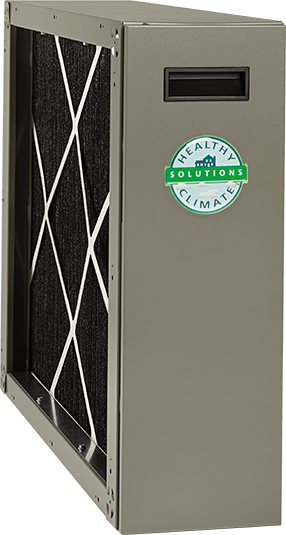
Start with source control, ventilation when appropriate, and a filter compatible with your equipment. Get a specific inspection if you see mold, pests, water damage, or debris coming from a supply vent; avoid paying for routine duct cleaning or UV equipment on the assumption that either guarantees healthier air.
Define the concern before choosing a product
Start by describing what you want to address: visible dust, an odor, a moisture concern or a question about HVAC filtration. These are different issues and may require different assessments. Do not assume that one air-cleaning product addresses every indoor-air concern. Explain where and when the issue occurs and whether it changed after a household activity or building change.
Keep observations separate from health conclusions. A room feeling stuffy or dusty does not establish a medical diagnosis, and an equipment visit should not promise a health outcome. If the concern involves a person’s health, seek the appropriate professional advice for that issue. HVAC information can help describe equipment and airflow conditions without substituting for that assessment.
Check compatibility before upgrading central filtration
Ask which filter type and replacement instructions apply to your actual system. A product described as more efficient is not automatically the appropriate choice for every installation. Keep the equipment information available and ask how compatibility will be checked before changing the filtration arrangement.
If airflow or cooling concerns are present, report them separately. Do not use a filter purchase as a substitute for diagnosing an existing performance problem. A useful recommendation explains the proposed filter and any installation considerations while keeping expectations about dust, odors and other concerns specific and limited.
Compare room air cleaners using the intended space
If you are considering a portable product, identify the room where it will be used and review the manufacturer’s operating and maintenance information. Consider where it can be placed and operated as instructed. A device bought for one space should not be assumed to treat the entire home effectively.
Review what the product actually claims to address and what it does not. Keep ongoing filter replacement and operating requirements in the comparison rather than looking only at the purchase price. Avoid choosing an ozone-generating device as a general indoor-air solution. EPA guidance distinguishes useful filtration from ozone-generator claims and explains why adding ozone is not an appropriate substitute for addressing indoor pollution sources.
Keep source control and maintenance visible
Cleaning accessible household surfaces and following appropriate equipment care can be part of a practical plan, but avoid turning routine housekeeping into a promise that all pollutants will be removed. If a recurring odor or moisture concern persists, describe the location and timing and ask what assessment is appropriate.
Keep any equipment findings and proposed work in writing. A recommendation for duct repair, dehumidifier assessment or filtration should identify the specific concern it addresses and what the service includes. Do not assume a general air-quality package covers every building condition. Clear scope helps you compare options and understand which issues may need attention outside the HVAC visit.
Review the result without expecting one device to solve everything
After a change, record whether the original concern has changed under ordinary use and whether any conditions remain unresolved. Follow the product or equipment maintenance instructions and keep the service documentation. A useful plan can combine appropriate equipment care with attention to the sources and conditions actually identified. It should not depend on a claim that a single product makes the home completely clean or guarantees a health benefit.