
Weak AC airflow in a Deerfield Beach or Lighthouse Point home can come from a dirty filter, blocked register, duct problem, indoor coil issue or blower fault. The pattern of weak rooms helps describe the problem, but it does not identify the failed part. Start with three safe checks, then ask a technician to measure airflow if the problem continues.
Table of Contents
3 Quick Checks for Weak AC Airflow
- Inspect an accessible air filter. If it is dirty, replace it with the size and type specified for your system. Do not open an electrical or sealed service panel to reach a filter.
- Look for blocked registers. Move furniture, rugs or curtains away from supply and return openings, and note any closed register.
- Compare rooms. Record whether the weak airflow affects every room or only one or two; tell the technician when it began and whether cooling or noise changed too.
Common Causes of Weak AC Airflow
A dirty filter can slow airflow, while a dirty or iced indoor coil can also limit cooling. Ice may have more than one cause, including airflow or refrigerant problems. If you see ice on an accessible line or the indoor unit, switch cooling off and arrange service rather than repeatedly running the system. ENERGY STAR’s maintenance checklist covers filters, coils and blower airflow.
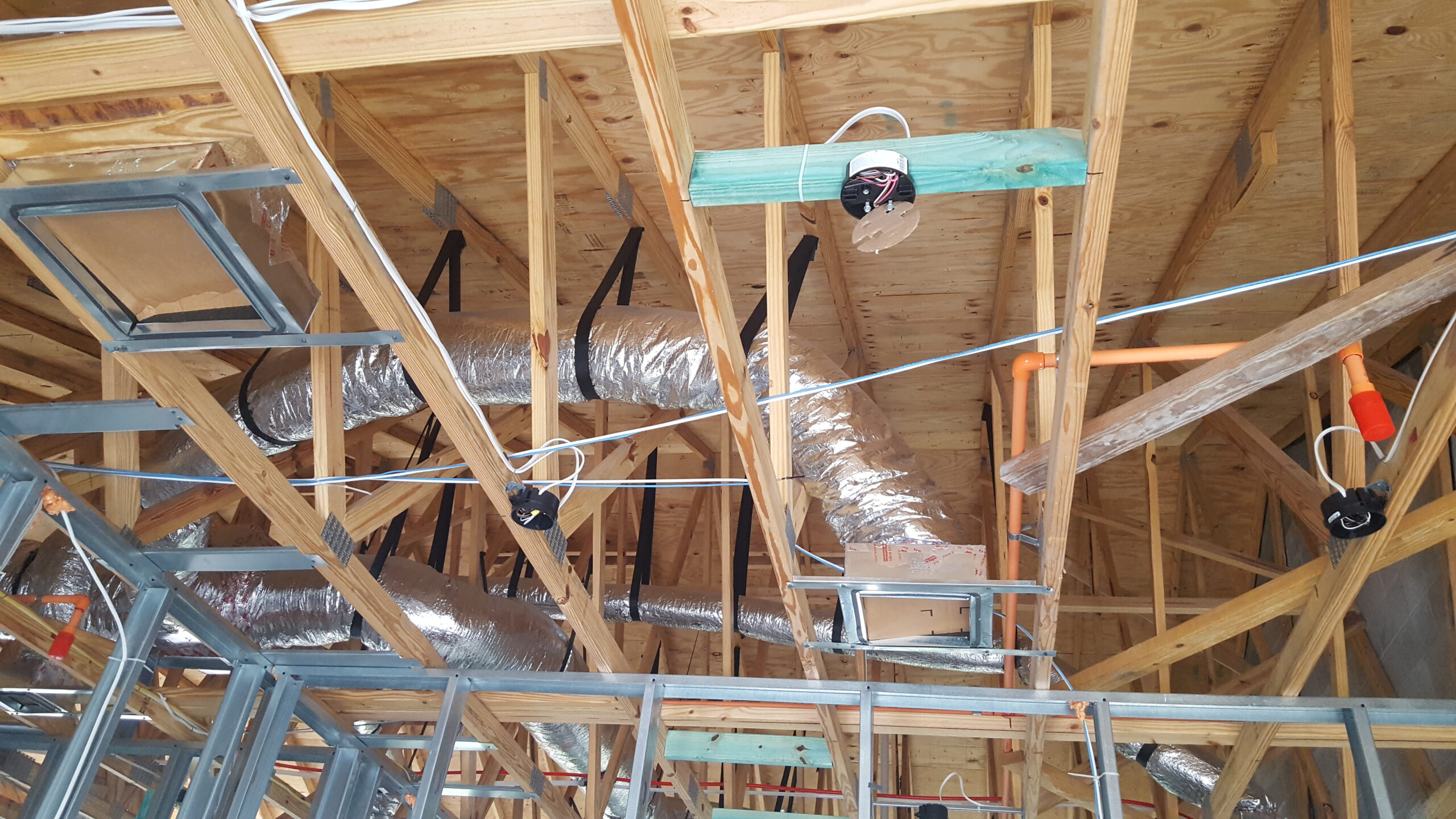
Disconnected, leaky or compressed ducts may reduce delivery to particular rooms, especially where ducts pass through an attic. Blower, control or other equipment faults may affect airflow across the home. A technician can inspect the system and measure airflow or duct performance before recommending a repair.
When It’s Just One Room
When one room feels different, first check its accessible supply and return openings. A closed damper, damaged branch duct, leakage or an airflow-balancing issue may be involved; a room symptom alone cannot identify which. ENERGY STAR’s duct guidance recommends professional evaluation and appropriate sealing and insulation where needed.
Common Questions
Can I fix weak airflow myself?
You can inspect an accessible filter and clear blocked registers. If airflow stays weak, ask a technician to check the equipment and duct system. Leave electrical panels, blower components and refrigerant work to qualified professionals.
Does weak airflow affect my energy bill?
It can, depending on the cause and how the system operates. A dirty filter or duct leakage may waste cooling energy, but a weak vent alone cannot predict a particular FPL-bill change or repair payback. Compare electricity use and the technician’s findings before estimating savings.
Map the airflow concern before the visit
Write down whether weak airflow affects one room, several rooms or the entire home. Note when it started and whether cooling performance changed at the same time. These observations are more useful than assuming that every weak-airflow complaint has the same cause. Keep temperature, airflow and noise concerns separate in the request so the technician can decide what assessment is needed.
If one room has a long-standing problem, explain that history. If airflow suddenly changed after a period of normal use, explain the timing. Mention recent renovations or changes to how rooms are used. Those details do not establish a duct or equipment fault, but they provide context that a brief statement such as “the AC is weak” leaves out.
Do not redesign airflow by closing random vents
Use the accessible checks described earlier to identify obstructions, not to experiment with the system’s design. Tell the technician if furniture or stored items were covering a grille and whether moving them changed your observation. Avoid assuming that closing other vents is the right response to a room that feels uncomfortable.
If a grille, filter or equipment area cannot be reached safely, leave it for the visit. Do not remove equipment panels, adjust internal blower settings or enter unsafe spaces to investigate. A service request can be useful even when some details are unknown. Report the limitation clearly rather than taking a risk to supply an equipment description.
Ask what the assessment found
Request an explanation of the findings and how they relate to the areas you identified. If ductwork is discussed, ask whether a defect has been confirmed or whether further inspection is recommended. If equipment or controls are involved, ask what work is proposed and what it is intended to address. A broad label such as “airflow issue” does not describe every possible repair.
Ask for the proposed scope and price before authorizing work. When several items are recommended, distinguish the work addressing the reported concern from separate maintenance findings. This helps you compare options and understand whether a recommendation covers the whole home or only one part of the system.
Be specific when discussing duct work
If the proposal includes duct repair or replacement, request a description of the affected area and the work included. Ask what access is needed and whether other parts of the building require separate coordination. Do not assume that a general ductwork price includes every branch, connection or concern in the house.
Keep the duct proposal alongside the equipment findings if both are part of the discussion. Replacing an AC unit should not be treated as an automatic correction for an unresolved air-distribution concern. The complete plan should explain how the diagnosed problem and the reported room differences are being addressed.
Follow up with observations rather than guesses
After authorized work, note whether the original concern has changed under normal use. Keep the service record and any remaining recommendations. If a room still feels different, report that directly rather than assuming a component has failed. Include the timing and the area affected. Clear follow-up helps the service team assess the remaining concern and gives you a documented basis for decisions about the Deerfield Beach property’s equipment or ductwork.
Protect Your System
- Get weak airflow diagnosed with professional AC repair
- Fix duct leaks and blockages with duct repair & sealing
- Catch airflow issues early with a VIP Preventive Maintenance Plan
Rooms not cooling evenly? Call Elsmar Air Conditioning at (954) 309-4575 Monday–Saturday, 8 a.m.–5 p.m., to discuss an airflow assessment.
For Deerfield Beach, Lighthouse Point and nearby Broward homes, describe which rooms are affected, whether the filter was dirty, and any ice or new noise. The findings determine whether a repair can be completed during the first visit or needs further testing or parts.
Ask for the measured findings and a written scope before approving ductwork or equipment repair.
If airflow is worsening or ice appears, arrange service promptly so the cause can be assessed before continued operation creates another problem.