
Salt-laden coastal air can increase the corrosion exposure of outdoor AC equipment in Lighthouse Point and Hillsboro Beach. Surface deposits, damaged fins or declining cooling deserve attention, but none proves that a coil has corroded or that refrigerant is leaking. Inspect only what you can see safely, then ask a technician to assess the equipment and explain repair options.
Table of Contents
3 Things to Look For
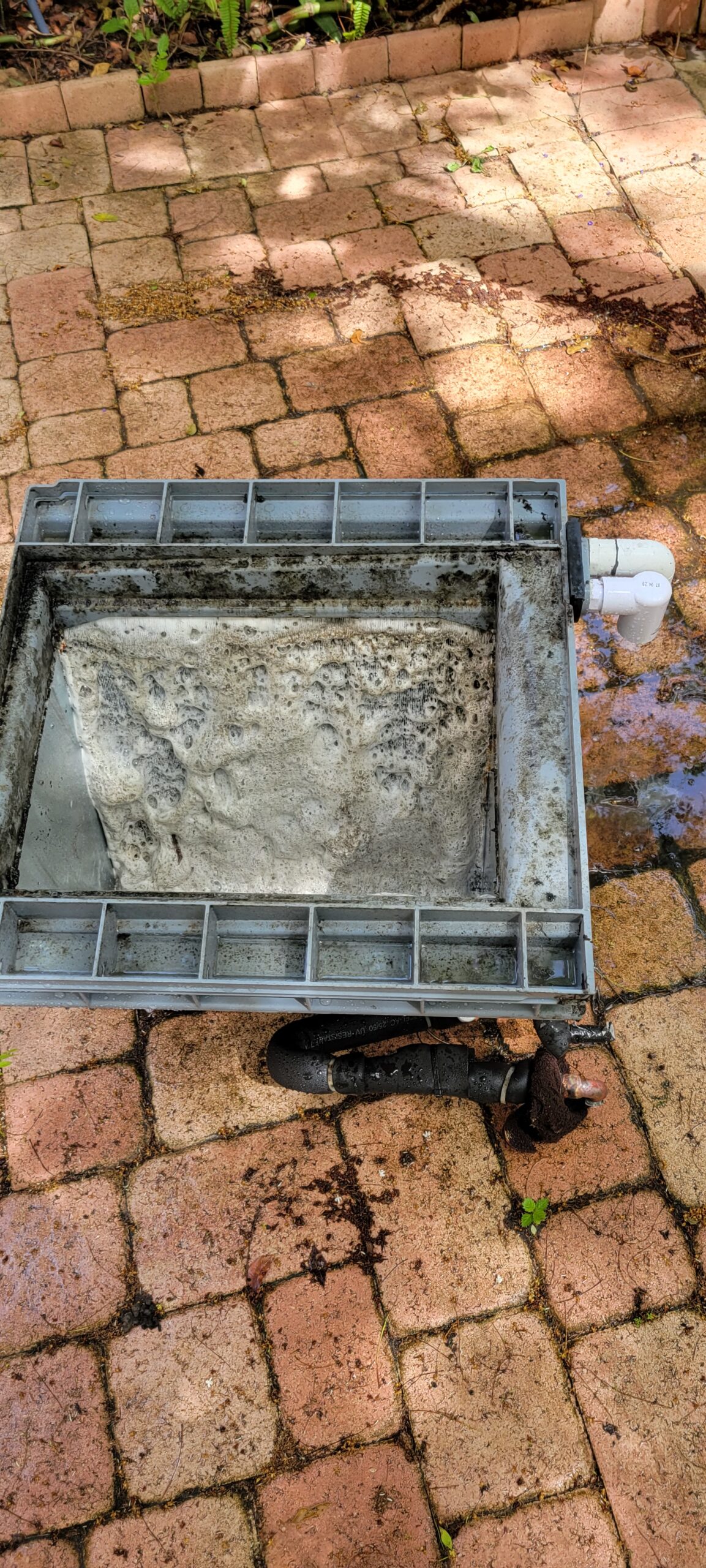
- Visible deposits or damaged metal. Note any residue, flaking coating, pitting or bent fins on an accessible outdoor unit. Deposits alone may be dirt, salt or minerals; a professional can determine whether the metal itself is damaged.
- Cooling performance has changed. A dirty or damaged coil may affect heat transfer, but thermostat, airflow and other faults can cause similar symptoms. Record when the change began.
- Repeated refrigerant-related findings. If a prior technician identified low charge, ask whether a leak was located and repaired. Do not assume the coil is the source without leak testing.
Why Coastal Exposure Matters
Coastal air can carry salt to outdoor equipment. Corrosion risk varies with distance from the water, wind, humidity, irrigation and the coil’s design and protective finish. Carrier’s coastal-equipment guidance describes these factors and the availability of equipment designed for salt-air conditions. A home’s exact risk cannot be determined from its city name alone.
Care and Equipment Choices
Keep vegetation and loose debris clear of the outdoor unit without opening the cabinet. Follow the equipment maker’s cleaning instructions and ask a technician about inspection frequency for your location. Some manufacturer manuals recommend fresh-water rinsing more often near the coast, but Carrier’s example manual warns against harsh chemicals and high-pressure water. Do not spray electrical components or use a pressure washer. If replacement is under consideration, compare models and warranties suited to coastal exposure rather than assuming one coating fits every site.
Common Questions
Does white residue always mean coil corrosion?
No. Residue can have several sources. A technician can distinguish removable buildup from damaged fins, tubing or protective finish and assess whether cooling performance is affected.
When should a coil be repaired or replaced?
That depends on the location and extent of damage, confirmed leaks, equipment age, parts availability and warranty. Ask for the inspection findings and a written comparison of repair and replacement options. A photograph of surface buildup alone cannot settle the decision.
Make the inspection equipment-specific
An outdoor photograph can show visible surface conditions, but it cannot establish the full condition of an AC coil or identify every performance concern. Tell the technician what you have noticed from a safe location and when the equipment was last assessed. Keep any earlier inspection findings so the new visit can be compared with a documented history rather than a remembered appearance.
If you have more than one outdoor unit, identify which equipment concerns you. Do not combine observations from different systems into one service history. A consistent equipment identifier helps connect photos, invoices and recommendations to the correct unit. If a label is not safely accessible, leave equipment identification to the service team.
Ask what the visible condition means
Request an explanation of the finding, what it may affect and what additional assessment is needed. Surface discoloration, damaged fins and a confirmed operational problem are different descriptions. Avoid treating them as interchangeable. The recommendation should connect the observed condition with the proposed work rather than rely only on how the unit looks.
If repair or replacement is recommended, ask which findings support that recommendation. Ask whether the proposal addresses a confirmed fault, preventive care or a condition that needs monitoring. These distinctions help you understand the urgency and purpose of the work. They also make it easier to compare advice without assuming that every coastal installation has the same condition or needs the same response.
Discuss care using the actual equipment instructions
Ask which maintenance and cleaning instructions apply to your equipment. Do not apply household chemicals, abrasive tools or a generic cleaning method merely because the unit is outdoors. Equipment materials and manufacturer instructions matter. If a protective treatment is proposed, ask what product is involved, how it applies to the equipment and what documentation supports the recommendation.
Keep that discussion separate from promises about lifespan. A maintenance step or treatment should not be presented as a guarantee that corrosion or future repairs will never occur. Ask what ongoing care is recommended and which limitations should be understood. Record the instructions with the service documents so later maintenance is based on the same equipment-specific information.
Compare replacement choices in the full installation context
If replacement is under consideration, explain the property’s location, equipment exposure and service history. Ask how those conditions were considered in the proposed selection. Request the equipment models, installation scope and warranty terms. A coastal setting is useful context, but it does not remove the need to assess capacity, airflow and the rest of the installation.
Review exclusions and any separate coordination needed for the property. If a warranty or product feature is described as relevant to coastal use, ask for the actual written terms rather than relying on a short sales statement. Compare the full proposal and its documented conditions, not just a feature label or an unsupported prediction of how long the equipment will last.
Keep useful inspection photos and records
Photos taken safely during a professional visit can help document what was observed. Keep the date and equipment identifier with them. Ask for a written explanation so the images are not left without context. If a future visit finds a change, compare the findings and proposed response. The objective is to understand the specific equipment condition and plan appropriate work for the Lighthouse Point property, rather than diagnose corrosion from appearance alone.
Request an Inspection
Elsmar Air provides AC repair and maintenance in Lighthouse Point and other Broward communities. Call 954-309-4575 Monday–Saturday, 8 a.m.–5 p.m., or request an appointment. Tell us the equipment model, distance from the coast if known, visible changes and any prior service findings.