
Considering a high-efficiency AC for a Miramar or Pembroke Pines home? The SEER2 rating helps compare equipment, but it does not predict a specific FPL-bill reduction. Your existing system, cooling use, ductwork, sizing and installation quality all affect the outcome. Use these five questions to compare a repair and replacement proposal.
Table of Contents
5 Questions Before Upgrading
- 1. What is wrong with the current system? Get a diagnosis, repair estimate and equipment condition assessment before deciding that replacement is necessary.
- 2. How will the new system be sized? Ask for a cooling-load calculation based on the actual home, not square footage alone. Oversized equipment can cycle too often and affect comfort.
- 3. What is the matched system’s SEER2 rating? Compare the proposed indoor and outdoor model numbers and the rating for that combination. Higher rated equipment may cost more upfront.
- 4. Can the ducts and airflow support it? Ask whether duct leakage, return-air capacity or other airflow issues need correction as part of the installation.
- 5. What is the full project cost? Compare installation, electrical and duct work, permit responsibility, warranty, maintenance needs and any current offers—not the equipment price alone.
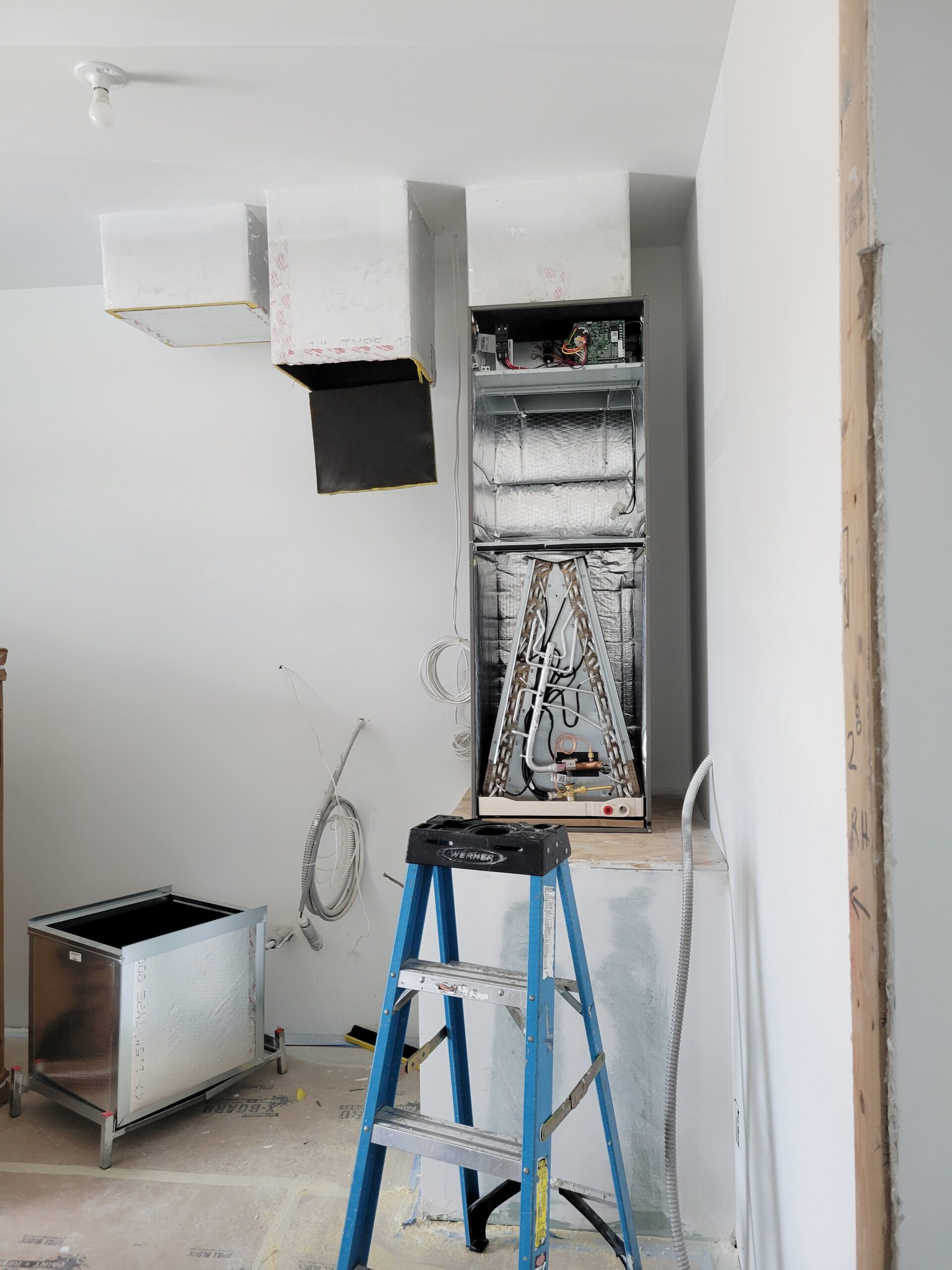
ENERGY STAR’s quality-installation guidance highlights sizing, airflow, ductwork and refrigerant charge as important to real-world performance.
What a Rating Can and Cannot Tell You
SEER2 is a standardized seasonal cooling-efficiency measure. It is useful for comparing eligible equipment under test conditions; it is not a promise about your monthly bill. The Department of Energy notes that actual energy savings vary with use. Weather, thermostat settings, electricity rates, installation quality and the condition of the old system affect the result. Ask for an estimate that states its assumptions rather than a generic percentage.
When Replacement May Make Sense
Replacement may be worth comparing when repair costs are high relative to the system’s condition, parts are unavailable, comfort remains poor, or the existing equipment is incorrectly sized. A serviceable system with a limited fault may be better repaired. Review a written repair scope and a matched replacement proposal, including expected operating assumptions, before deciding.
Common Questions
Does a high-efficiency system need fewer repairs?
A higher efficiency rating does not establish repair frequency. Reliability depends on design, installation, maintenance, operating conditions and the particular model. Compare warranties and service requirements along with efficiency.
Are rebates available?
Manufacturer and utility offers can change. Ask about programs that apply to the exact proposed model and installation date, then verify eligibility and terms before subtracting an incentive from the budget. Do not assume a federal tax credit is available for a new installation.
Define what you want an upgrade to improve
Before comparing equipment, identify the concern behind the proposed upgrade. You may be planning for an older system, responding to repeated repairs or trying to understand uneven cooling. List those concerns separately. A broad request for “better efficiency” can miss a room-by-room comfort problem that also needs attention. Explain how the home is used and any planned changes that may affect the assessment.
Ask the contractor to connect each recommendation to the condition or concern it addresses. If the proposal focuses on equipment efficiency, ask whether airflow, controls or duct condition also need investigation. A new unit should not be presented as an automatic solution to every issue in the home. The complete proposal needs to describe the assessed work rather than rely on the reputation of an equipment category.
Compare complete equipment selections
Request the relevant indoor and outdoor model information and an explanation of how the selection fits the project. If two proposals quote different arrangements, ask what those differences mean for installation, operation and maintenance. Keep brochures as reference material, but make the decision from the actual written selection and scope.
Be cautious about comparisons that place one equipment rating beside another without identifying the rest of the installation. Controls, retained components and identified duct work can affect what is being proposed. Ask which components will be replaced, which will remain and how their condition or compatibility is being assessed. A clear equipment list makes the project easier to understand and later service.
Treat savings estimates as estimates
If a proposal includes a prediction of lower operating costs, ask for the assumptions. What existing equipment and usage are being compared? Does the estimate consider the whole home or only the equipment? Are changes to occupancy or operating habits assumed? A prediction is easier to evaluate when those details are written down.
Avoid treating a general percentage or a neighbor’s experience as a forecast for your home. Utility bills reflect more than a system’s rating. You can still compare equipment performance information, but the result should not be described as a guaranteed reduction in your own bill. Keep measured historical usage separate from projected results so the decision does not depend on an unsupported promise.
Include operation and maintenance in the discussion
Ask how the proposed controls should be used, what routine care is required and which maintenance tasks belong to a technician. Keep the manufacturer information with the final installation documents. If the new system operates differently from your old equipment, request a clear explanation rather than assuming familiar settings have the same effect.
Discuss warranty coverage and registration steps before approving the work. Ask which terms apply to equipment and which apply to installation labor. If maintenance requirements are relevant to the coverage, obtain those requirements in writing. These practical details help you compare the full ownership experience without assuming that a more advanced product removes the need for service or prevents every future repair.
Make the next action specific
At the end of the assessment, identify whether you are waiting for a written proposal, additional inspection or a confirmed installation window. Record what remains unresolved. A useful upgrade decision leaves you with a clear equipment selection, scope and set of conditions to compare. It does not require choosing from a rating alone or agreeing to a project before you understand what the Miramar property’s assessment has established.
Compare Your Options
For homes in Miramar and Pembroke Pines, Elsmar Air can discuss AC installation, repair and maintenance. Call 954-309-4575 Monday–Saturday, 8 a.m.–5 p.m., or request an appointment. Bring recent bills, the existing equipment model and repair history to support a useful comparison.