
What does a SEER2 rating tell a Pembroke Pines homeowner? It is a standardized seasonal cooling-efficiency rating for a tested equipment combination. A higher SEER2 can indicate less electricity use for the same cooling under test conditions, but it does not predict your exact FPL bill. Compare the matched indoor and outdoor models, installation scope, and total cost before choosing a replacement.
Table of Contents
Three SEER2 Facts
- It is a seasonal test rating. SEER2 compares cooling delivered with electricity used under a defined test procedure. It is not a measurement of how one installed system performed in your home.
- SEER and SEER2 use different test methods. Do not compare an older SEER number directly with a newer SEER2 number as if they were identical scales.
- The rated combination matters. Ask for the model numbers and efficiency documentation for the matched indoor and outdoor equipment in the proposal, along with the system’s capacity.
What Changed From SEER
The US Department of Energy introduced updated central-air-conditioner test procedures and efficiency metrics in 2023. The newer SEER2 procedure uses different test conditions, including external static pressure, so the number for a comparable system can differ from the former SEER number. This does not mean an existing AC suddenly became less efficient. See the DOE’s central-AC standards FAQ for the distinction.
A rating is useful for comparing eligible matched systems under the same method. Actual performance also depends on equipment sizing, ducts, airflow, refrigerant charge, controls and use. ENERGY STAR’s quality-installation guide explains why those installation checks matter.
Compare Compliant Systems in Florida
Federal efficiency requirements vary by equipment type, capacity and region. Ask the installer to document that the proposed matched system is eligible for installation in Florida and to provide its certified efficiency information. Then compare more than the SEER2 number: obtain the installed price, proposed load-based sizing, any duct or electrical work, permits if applicable, warranties, and controls.
A higher-rated option may reduce cooling electricity use compared with a lower-rated option under similar conditions. Whether its price premium pays back depends on your existing equipment, cooling hours, weather, thermostat settings, electric rates and installation quality. Ask for the assumptions behind any savings estimate; a particular monthly saving is not guaranteed.
Common Questions
Must I replace my AC because SEER2 exists?
No. A new test metric does not require you to replace an operating system. Evaluate its condition, repair history, comfort and cost before deciding.
Is the highest SEER2 always the best purchase?
No single rating answers that. Compare the complete installed proposals and your priorities for comfort, price and serviceability. Proper sizing and installation still matter.
Identify the exact equipment behind the rating
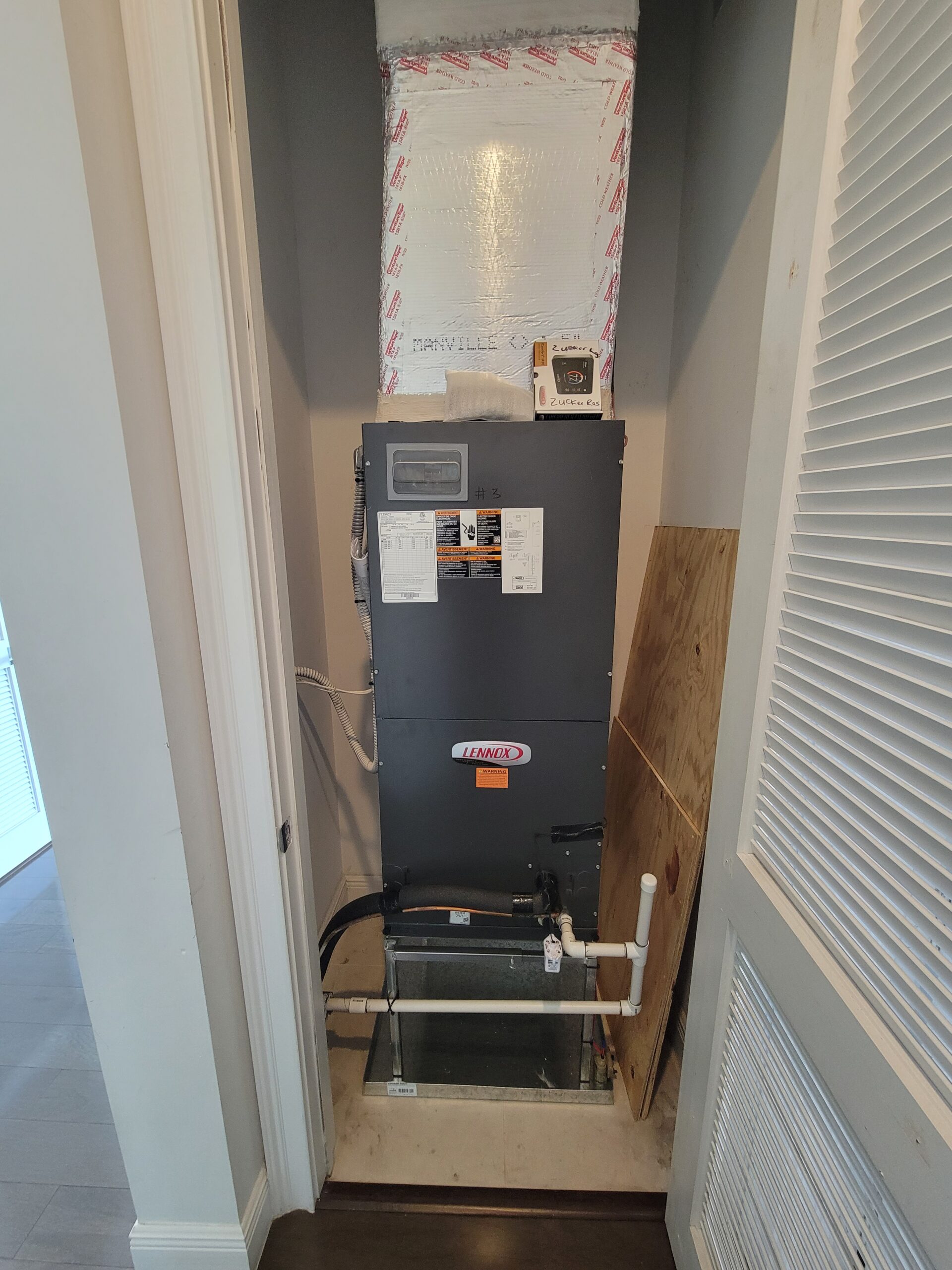
When a proposal lists an efficiency rating, ask which equipment combination it describes. Keep the relevant model numbers and supporting product information with the proposal. A rating printed on a general brochure does not identify every possible installation sold under that product family. The contractor should explain the actual equipment selected for your project.
If some components are being retained, ask how the arrangement is being evaluated. Do not assume that a familiar brand name establishes the correct combination. Record which equipment is new, which remains and what assessment supports that decision. This gives you a more useful comparison than a single rating number detached from the installation scope.
Keep efficiency, capacity and comfort distinct
Ask separate questions about the equipment’s efficiency information, how capacity was selected and what work addresses comfort concerns. These topics belong in the same project discussion, but they are not interchangeable. A higher efficiency rating does not by itself show that the system is appropriately selected for the home or that an uneven-cooling complaint will be resolved.
Tell the assessor which rooms are uncomfortable and when the concern occurs. Mention changes to the home or its use. Ask how the proposed work relates to those observations and whether ducts, controls or other conditions need further attention. The written scope should identify the recommendation rather than use an efficiency label as a substitute for an assessment of the property.
Compare proposals without inventing a conversion
When equipment documents use different rating terminology, ask the contractor to explain the comparison using the actual products. Do not apply a homemade conversion rule and assume the results are equivalent for every system. Keep the original manufacturer information and identify what each figure represents.
If an option is described as meeting an applicable requirement, ask for confirmation tied to the proposed equipment and project. Requirements and product eligibility can depend on details that a short website description does not capture. The practical question is whether the proposed installation is appropriate and properly documented, not whether one familiar number appears larger than another on a sales sheet.
Ask how operating-cost claims were developed
A rating is useful information, but a predicted utility-bill reduction needs additional assumptions. Ask what current equipment, operating hours and usage conditions form the comparison. Record whether the estimate describes equipment performance or a forecast for the household. Treat the latter as an estimate rather than a guaranteed outcome.
Keep any incentive or financing discussion separate from the equipment comparison. A product can have an appealing rating while still requiring a careful review of the installation scope, warranty and total cost. Ask which current program documents support any eligibility statement. Do not infer a rebate or other benefit merely because the proposal includes a particular efficiency term.
Keep the final equipment record
After installation, retain the model information, approved proposal, operating instructions and warranty documents together. Ask what checks were completed and where to direct future questions. If the equipment selection changed during the project, request documentation of the final arrangement. Good records make later service and comparison easier and keep the discussion anchored to what was actually installed in the Pembroke Pines home rather than to a broad marketing description.
Next Steps in Pembroke Pines
- Ask our AC installation team to compare matched-system proposals.
- Use our repair-or-replace guide if your current equipment is still operating.
- Review preventive maintenance for an existing system.
For Pembroke Pines, Hollywood, and nearby Broward communities, call Elsmar Air Conditioning at (954) 309-4575 or request an appointment. Regular hours are Monday–Saturday, 8 a.m.–5 p.m.; availability depends on the schedule.