
Seeing ice on your AC in Coral Springs? Switch cooling off and let the system thaw. Ice can follow restricted airflow, a refrigerant problem, or another fault; a technician must identify the cause before cooling resumes.
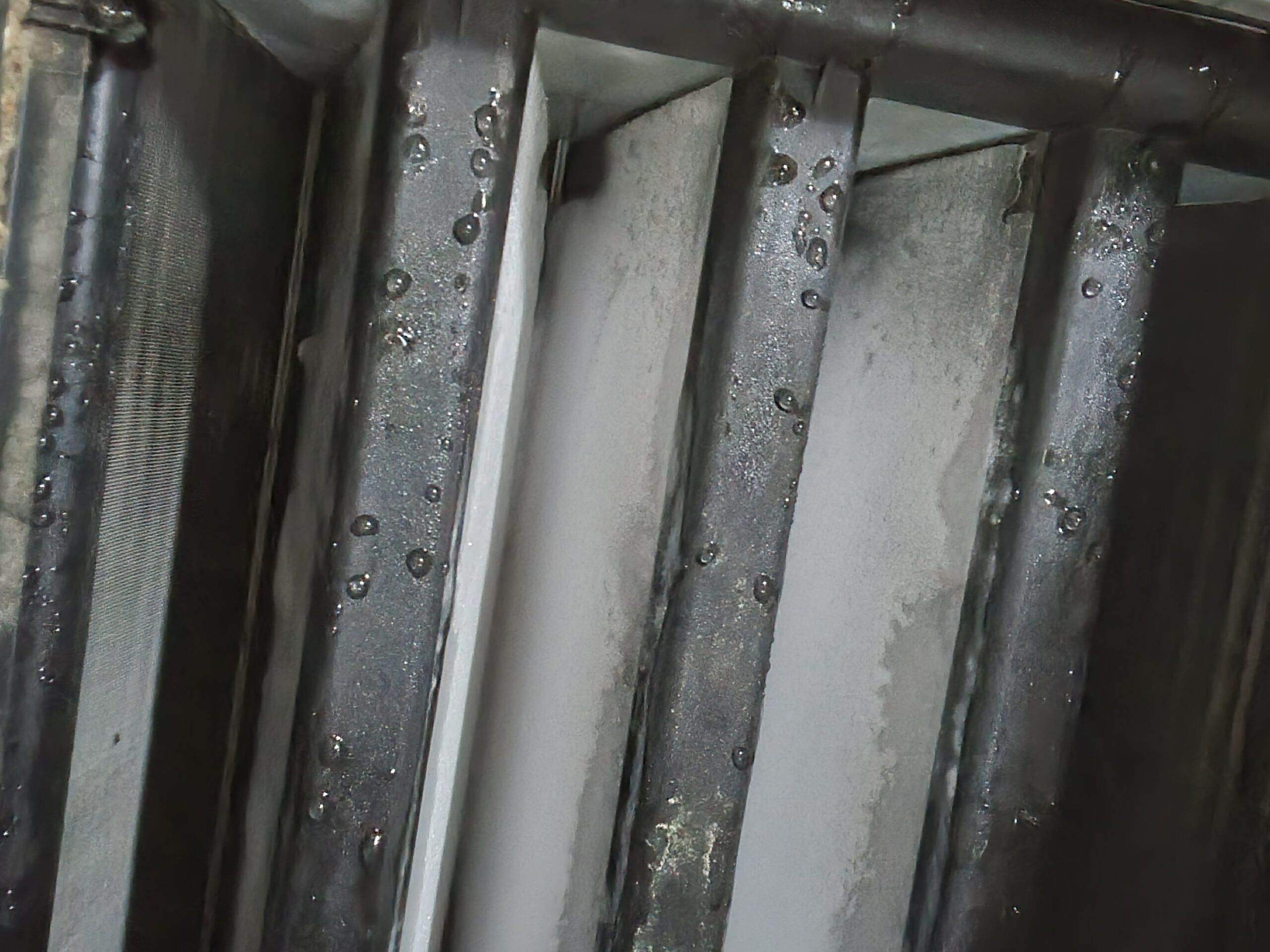
Table of Contents
3 Things to Check If Your AC Is Frozen
- Switch cooling off at the thermostat. Do not chip ice or open the cabinet. If safe and the equipment permits, set the indoor fan to On to help thaw; watch for water near the unit.
- Inspect the accessible filter. Replace a dirty filter according to the equipment instructions. A dirty filter is one possible contributor, not proof of the cause.
- Check visible supply and return openings. Move objects blocking airflow. If ice returns or cooling remains poor, leave cooling off and request service.
Why a Frozen AC Unit Happens in South Florida Heat
A coil can freeze when airflow is restricted or another system condition lowers coil temperature. Trane’s frozen-coil guide names dirty filters and blocked returns among possible airflow causes and advises turning cooling off. Outdoor heat alone does not identify why the indoor coil froze.
Other possibilities include a blower problem or a refrigerant issue. Testing airflow, coil condition, and the refrigerant circuit requires a qualified HVAC technician. Do not add refrigerant based on ice alone.
What Happens If You Keep Running a Frozen AC Unit
Continued cooling with a frozen coil can reduce airflow and risk equipment damage. Melting ice can also create water near the air handler. Protect nearby belongings and avoid wet electrical equipment.
ENERGY STAR’s maintenance checklist covers filters, airflow, and professional system checks. Maintenance supports operation but cannot prevent every freeze-up.
Common Questions
How long does thawing take?
Thawing time varies with the amount of ice and room conditions. Keep cooling off. A fan-only setting may help if the unit is safe to run and no water threatens electrical equipment. Never chip or scrape the coil.
Can I prevent this by turning my thermostat down further?
No. A lower setting does not correct restricted airflow or another fault. Leave cooling off until the ice is gone and arrange diagnosis if the problem returns.
Record where ice is visible without disturbing it
If you can safely see ice on an accessible part of the system, note the location and when you noticed it. Do not remove covers, chip the ice or apply heat to equipment. A photograph from a safe location may help describe the condition, but it cannot establish why the system froze.
Tell the service team whether cooling or airflow changed before the ice appeared. Mention water that appeared as conditions changed, while keeping that observation separate from a confirmed drain diagnosis. A frozen component is an important symptom to report. It does not identify a refrigerant fault, airflow problem or replacement requirement by itself.
Avoid restarting the system to prove the problem
Do not repeatedly operate equipment to recreate an icing condition. Explain whether it is currently off and what you observed before stopping it. Ask the service team what equipment-specific guidance applies while you wait for the visit. Leave internal checks and operating adjustments to qualified personnel.
Keep the area accessible for an appropriate inspection without touching wet or electrical components. If there are access limitations, explain them when scheduling. A service request can be complete even when you cannot identify the exact location of the ice. It is better to report an uncertainty than to enter an unsafe space for a closer look.
Prepare a timeline of the change
Write down when cooling first seemed different, when airflow changed and when ice became visible. Include recent maintenance, filter changes or repairs from your records without assuming any of them caused the problem. The sequence can help the technician decide what assessment is needed.
If the issue has occurred before, keep the earlier service record available. Ask whether the previous findings relate to the current concern. A recurring symptom deserves an equipment-specific review rather than an assumption that the same repair is automatically required. Clear records are especially useful when different people have arranged past visits.
Ask what the diagnosis establishes
After inspection, request an explanation of the confirmed findings and the proposed work. If the technician needs additional testing, ask what remains uncertain. Keep the immediate repair separate from maintenance recommendations and longer-term replacement discussions so you understand the purpose of each item.
If a major repair is proposed, compare the system condition, repair history and warranty with any complete replacement option. Ice alone is not a reliable rule for deciding to replace the system. A useful proposal explains the actual fault, the work included and any additional concerns that the assessment identified.
Plan the follow-up before closing the visit
Ask what checks were completed after authorized work and what observations should be reported if the concern returns. Keep the invoice and findings with the equipment history. Record recommendations that were discussed but not completed. This prevents a future conversation from assuming that every issue noted during the visit was already repaired.
Under normal use, report any continuing airflow, cooling or water concern with the dates and circumstances. Do not assume a similar symptom has an identical cause. The goal is a clear, safe account of the Coral Springs system’s condition and a documented decision about the next appropriate work, rather than a series of restarts or an attempted home diagnosis. Keep the contact and appointment information with the service record so household members know which next steps have actually been arranged.
Protect Your System
- Request AC repair diagnosis if ice returns or cooling remains poor.
- Review maintenance options for filter, airflow, and system checks.
- Ask about ductwork service only if testing finds a duct issue.
For a frozen AC in Coral Springs, call Elsmar Air Conditioning at (954) 309-4575. Regular hours are Monday–Saturday, 8 a.m.–5 p.m. Tell us where you saw ice and whether cooling and airflow changed.